
Spine Evaluation
Understanding the Cause of Your Spine Symptoms
Pain medication, rest, and physical therapy can help, but they do not always explain why the pain is happening.
A spine evaluation focuses on something different: identifying the source of your symptoms so treatment decisions are based on the right diagnosis.
Once the cause is better understood, the next steps become clearer:
- Whether treatment is needed
- What type of treatment makes sense
- Whether additional imaging is needed
- Whether surgery should even be part of the discussion
Conditions Commonly Diagnosed During Spine Evaluation

Your symptoms may point toward a specific spine condition, but the diagnosis needs to be confirmed correctly. A spine evaluation may help identify conditions such as:
- Herniated discs
- Spinal stenosis
- Sciatica or nerve compression
- Degenerative disc disease
- Cervical nerve compression causing neck, shoulder, arm, or hand symptoms
- Lumbar nerve compression causing back, hip, leg, or foot symptoms
- Spinal instability or structural changes
- Recurrent or unresolved symptoms after previous spine treatment
Depending on the diagnosis, your next step may involve treatment options such as:
The Importance of Accurate Spine Evaluation
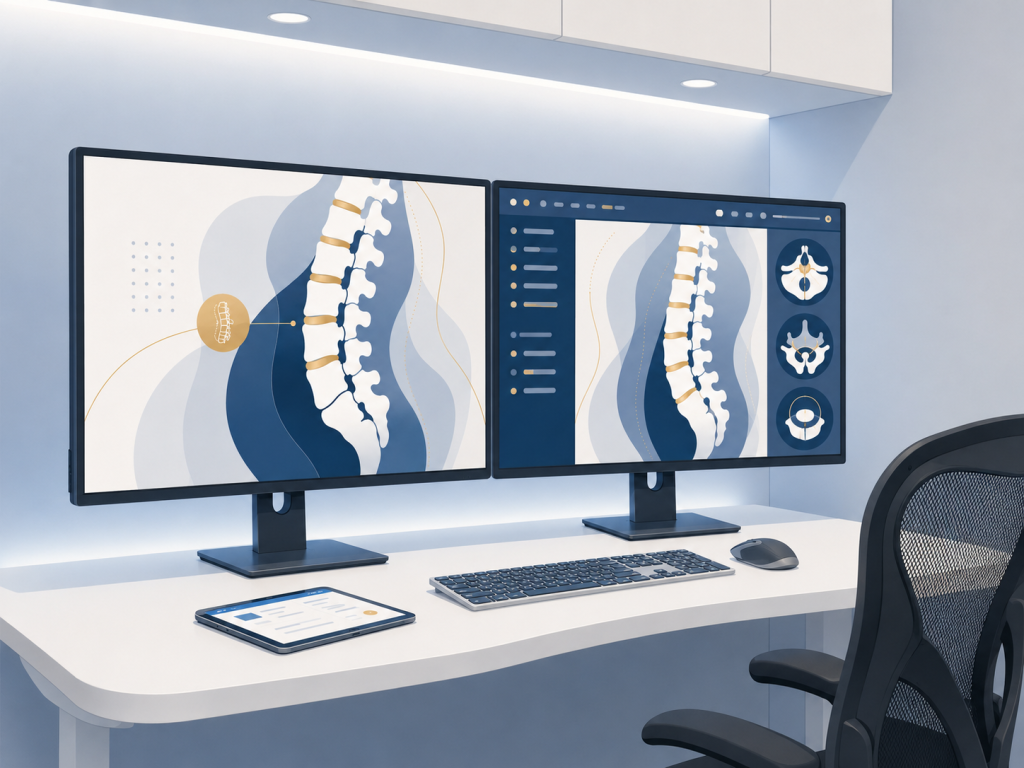
Not every abnormal MRI finding is the real source of pain. Not every spine condition requires surgery. That is why a careful evaluation matters.
Dr. Garges focuses on connecting three important pieces:
| Evaluation Area | What It Helps Determine |
|---|---|
| Symptoms | Where the pain is, how it travels, and what makes it better or worse |
| Physical Exam | Whether strength, movement, reflexes, or nerve function may be affected |
| Imaging | Whether MRI, CT, or X-ray findings match the patient’s symptoms |
This approach helps ensure that recommendations are based on what is actually causing your pain, not assumptions.
How Spine Evaluation Helps Guide Treatment Decisions
Most patients do not come in asking for surgery. They come in asking:
- What is actually causing this?
- Why has the pain not gone away?
- Is this serious?
- Do I need surgery?
- What should I do next?
A spine evaluation is designed to answer those questions clearly. You should leave with a better understanding of your condition, whether treatment is needed, and what options may be available.
Next Steps After Your Spine Evaluation
Once the likely cause of your symptoms is identified, your next steps become clearer.
Your treatment path may include:
- Conservative care such as physical therapy, medication, or activity modification
- Additional diagnostic testing or updated imaging
- Referral for pain management or injections, when appropriate
- Surgical discussion if the diagnosis and symptoms support that option
Many patients improve without surgery. The key is making the right decision based on the right diagnosis.